Molly Hill provides an analysis of Bitcoin's initial valuation, reflecting on its launch and historical price movements as of Wednesday, January 21, 2026 at 08:35 PM.
Bitcoin is a decentralized digital currency invented in 2008 by an unknown person or group of people using the pseudonym Satoshi Nakamoto. It was released as open-source software in January 2009. The significance of Bitcoin is underscored by its position as the first cryptocurrency, fundamentally changing the perception and utility of digital money.
When Bitcoin was first introduced, it was valued at virtually zero. The first recorded price occurred in October 2009 when the New Liberty Standard calculated the average price to be $1 for 1,309.03 BTC, based on the cost of electricity used to mine them. In May 2010, a well-known transaction was conducted where 10,000 BTC were used to purchase two pizzas, approximating the value of Bitcoin at that time to about $0.0025 per coin.
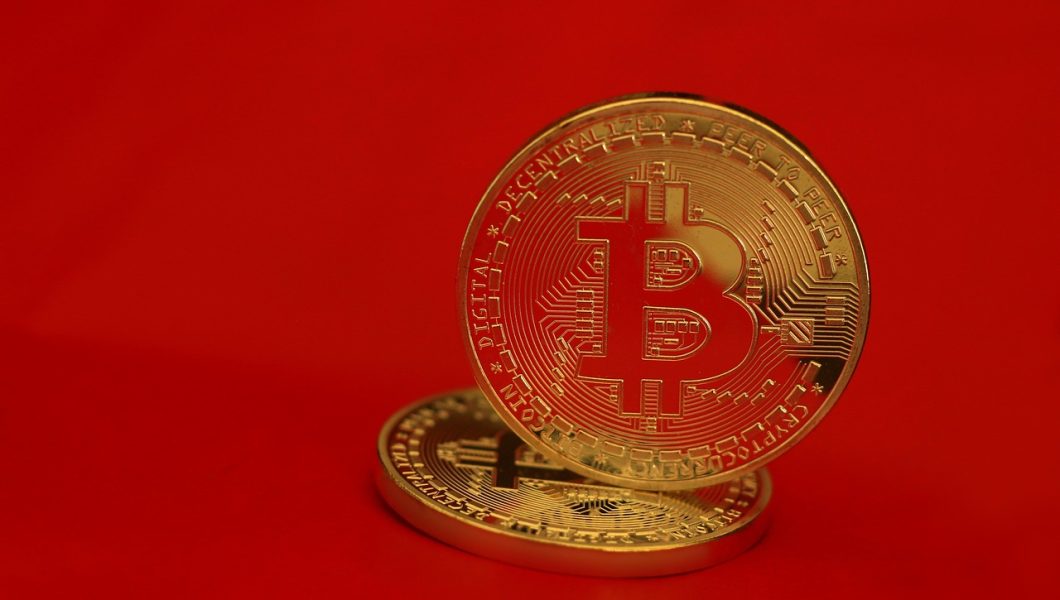
This imagery represents the early stages of Bitcoin’s price evolution, highlighting the contrast between its initial value and its later price surges. When Bitcoin was first introduced
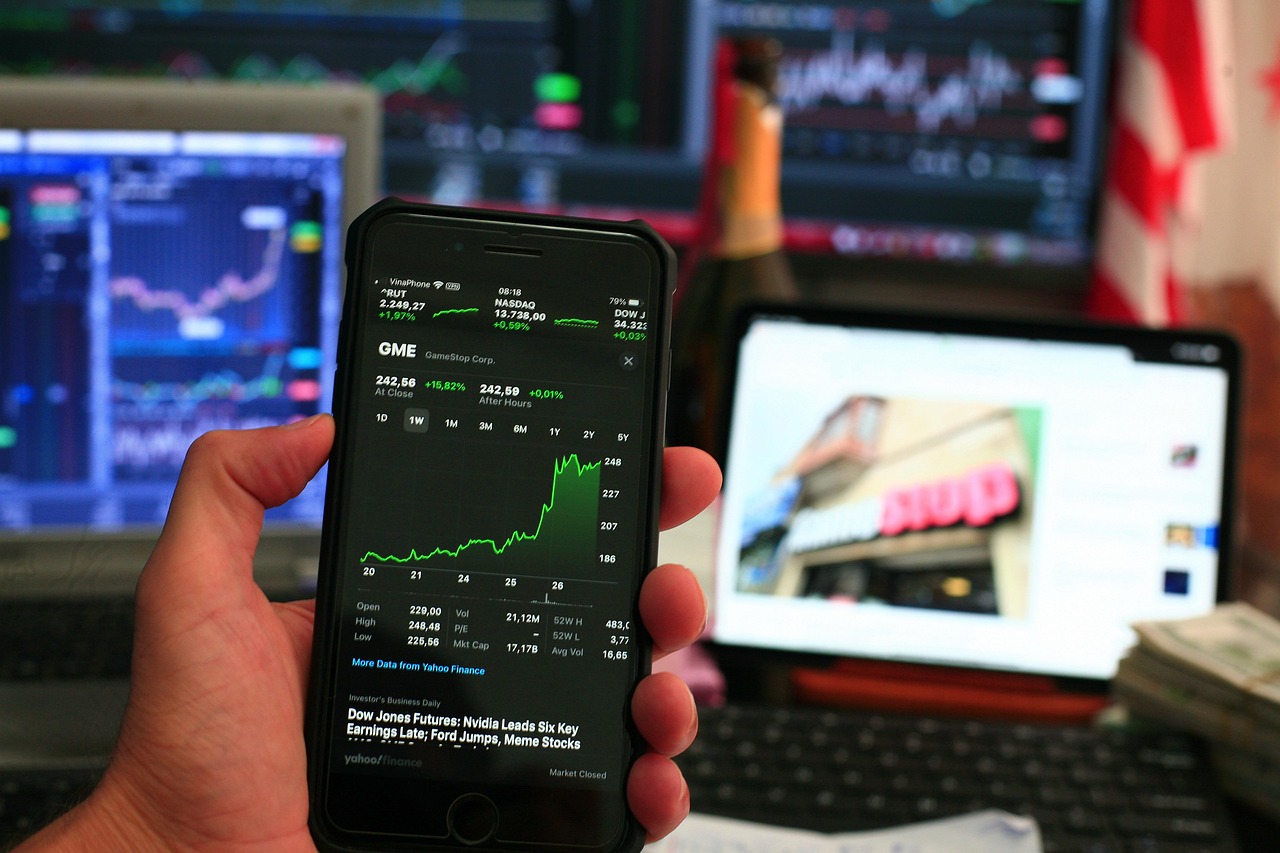
Bitcoin’s evolution in value has captured attention worldwide, with its peak prices reaching tens of thousands of dollars in subsequent years. This extraordinary journey reflects both the volatility of cryptocurrencies and their potential for significant returns on investment.
While Bitcoin gained traction, it is essential to note that it may not be the best investment for everyone. Those averse to high volatility may prefer more traditional investments such as real estate or bonds. Additionally, individuals unfamiliar with digital currencies and technologies should consider investing in educational courses or consulting with financial advisors before diving into cryptocurrencies. Lastly, time-sensitive investors may find less volatility and more reliable returns in established markets or investment vehicles.
The current market for Bitcoin includes various exchanges, wallets, and technologies aimed at optimizing trading and investment. Investors should be aware of significant fluctuations in Bitcoin’s value, which can lead to rapid gains or losses depending on market conditions. The first recorded price occurred in
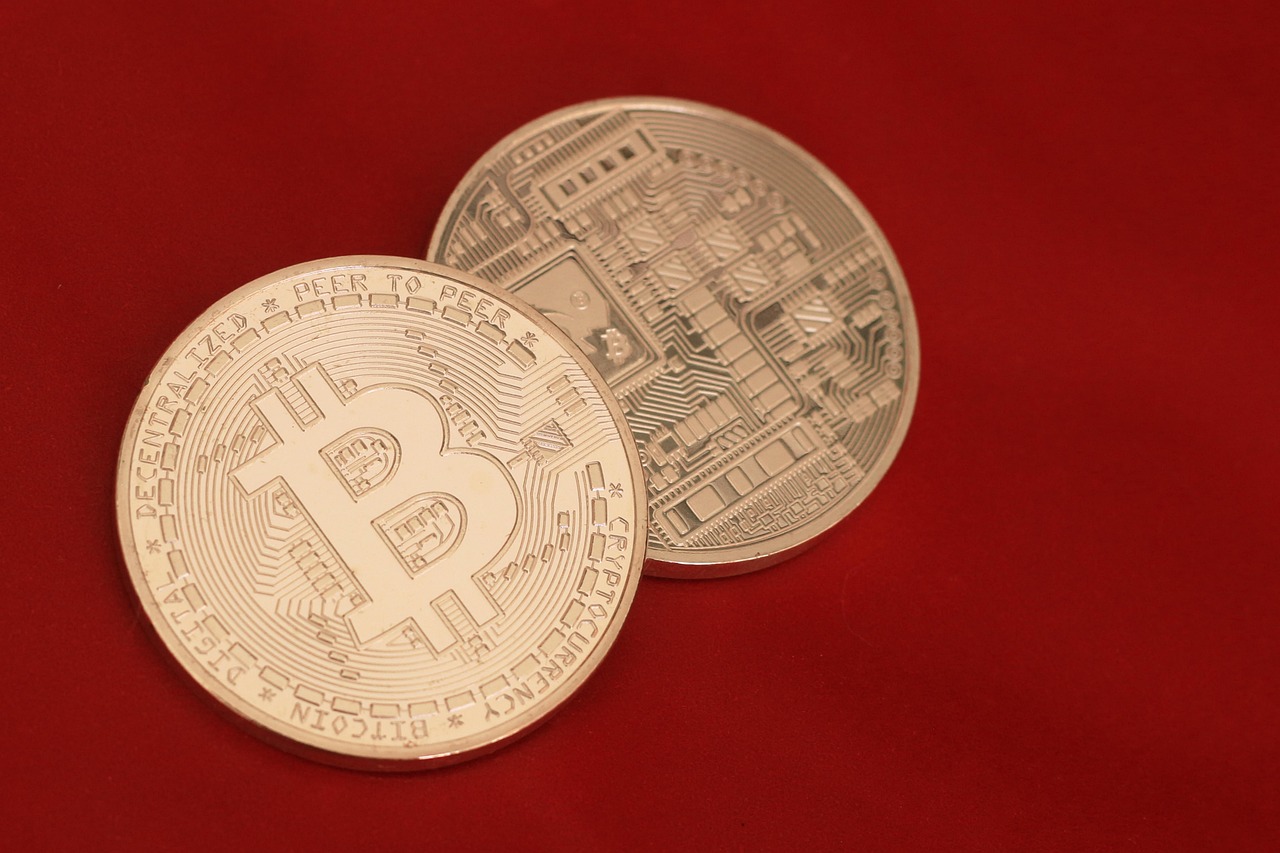
1. Immediate Confirmation: How Bitcoin is Traded
– To trade Bitcoin, individuals can follow a straightforward process:
1. Choose a cryptocurrency exchange (e.g., Coinbase, Binance).
2. Create an account and verify identity.
3. Fund the account with fiat currency or existing cryptocurrencies.
4. Place buy or sell orders as desired.
2. Ongoing Investment Strategies
– Many investors adopt strategies such as dollar-cost averaging (DCA), where they regularly invest a fixed amount of money, thereby reducing the impact of volatility.
– Active trading may involve utilizing technical analysis to identify trends and patterns in price movements.
3. Recovery Options After Price Declines
– In the event of market downturns, experts recommend assessing your investment strategy to minimize potential losses. Options include holding assets for a longer horizon or reallocating to stablecoins or other traditional assets. Reflecting on its launch and historical

| Investment Type | Risk Level | Historical Return |
|———————–|————————|—————————|
| Bitcoin | High | 200%+ annual (varies widely) |
| Real Estate | Moderate to High | 8%+ annual average |
| Bonds | Low | 3% annual average |
Investors should continually assess their investments and seek to improve their understanding of cryptocurrency through ongoing education and monitoring of market trends. If issues arise during trading, many exchanges provide support channels for common issues, helping to resolve discrepancies and restore confidence in the trading process.
Overall, while Bitcoin offers notable investment opportunities, individuals must weigh market volatility and their financial objectives. Seeking professional advice and maintaining an informed approach can significantly enhance the investment experience.
Key Takeaways
- Bitcoin was first released to the public in January 2009 with a value of $0.
- The first recorded transaction involving Bitcoin occurred in May 2010, when 10,000 BTC were exchanged for two pizzas, valuing Bitcoin at approximately $0.0025 at that time.
- By the end of 2010, Bitcoin's value had risen to around $0.30, marking significant early adoption and interest.
What was the initial value of Bitcoin when it was introduced?
Bitcoin was introduced in January 2009, and its first recorded price was $0 since it was not traded on any exchange initially. The first time it had a market price was in October 2009, valued at approximately $0.00076 based on a computational benchmark. However, this introduces tradeoffs that must be evaluated based on cost, complexity, or network conditions.
How was Bitcoin initially used by people when it was launched?
At its launch, Bitcoin was primarily used for peer-to-peer transactions and as a novelty among tech enthusiasts and cryptographers. It wasn’t until later that it began to gain traction for actual goods and services, which limited its early adoption and utility. However, this introduces tradeoffs that must be evaluated based on cost, complexity, or network conditions.
What risks were associated with investing in Bitcoin when it first emerged?
The main risks included extreme volatility, as Bitcoin was virtually unregulated and not widely understood, making it susceptible to rapid price fluctuations. Additionally, early adopters faced security risks, as wallets and exchanges had not yet developed robust protections against hacking. However, this introduces tradeoffs that must be evaluated based on cost, complexity, or network conditions.