
Reviewed by Molly Hill on January 21, 2026 at 10:34 AM. Recent evaluations have focused on the security features and usability of Trust Wallet for managing Bitcoin transactions.
Trust Wallet is a widely-used mobile cryptocurrency wallet designed for storing various digital assets, including Bitcoin. It operates as a non-custodial wallet, meaning users maintain control of their private keys, providing them with full ownership and security of their cryptocurrencies. Trust Wallet supports a wide array of tokens and cryptocurrencies through the Ethereum blockchain and other networks.
Trust Wallet works by allowing users to send, receive, and manage their cryptocurrencies seamlessly from a mobile device. It integrates with decentralized applications (dApps) and platforms, enabling users to trade assets without the need for a traditional exchange. With its user-friendly interface, Trust Wallet caters to both novice and experienced users in the cryptocurrency space.
This image illustrates the ecosystem surrounding Trust Wallet, highlighting the various cryptocurrencies and dApps it supports.
Key Features of Trust Wallet Bitcoin
One of the primary features of Trust Wallet is its ease of use, designed to facilitate quick and straightforward transactions. Users benefit from built-in Web3 browsing capabilities, allowing for direct interaction with dApps. Furthermore, Trust Wallet includes a robust security model featuring biometric authentication and recovery options through backup seed phrases. security features of Trust Wallet

Additionally, Trust Wallet offers a built-in decentralized exchange (DEX) for users to swap assets directly within the app. This feature eliminates the need to transfer funds to a centralized exchange, thus minimizing exposure to potential risks associated with such platforms.
Trust Wallets Supported Cryptocurrencies
Besides Bitcoin, Trust Wallet supports a broad array of other cryptocurrencies, including Ethereum, Binance Coin, Litecoin, and numerous ERC20, BEP2, and BEP20 tokens. This extensive support is crucial for users looking to diversify their portfolios without managing multiple wallets.
The wallet also facilitates seamless transitions between different types of assets. Users can easily switch from one cryptocurrency to another based on their trading preferences and needs.
This image shows various cryptocurrencies supported by Trust Wallet, emphasizing its versatility. control of private keys

Trust Wallet continuously updates its software, ensuring users have access to the latest features and improvements. Regular updates help maintain a secure environment, adapting to emerging threats in the cryptocurrency landscape.
Tradeoff Considerations in Trust Wallet Bitcoin Use
When considering Trust Wallet, it is essential to acknowledge certain limitations. First, the mobile-only design may not suit users who prefer desktop management tools. Second, while Trust Wallet provides a high level of security, it requires users to manage their keys responsibly; losing access to private keys can result in the permanent loss of funds. Finally, users engaging with complex DeFi products or large-scale trading may find that dedicated trading platforms could offer more specialized tools and analytics.
While Trust Wallet excels in straightforward storage and transaction management, users seeking features like detailed charts or algorithmic trading may find more value in dedicated exchanges or trading wallets. Furthermore, users less familiar with private key management should consider custodial wallet options, provided they are comfortable with the associated risks.
How to Get Started with Trust Wallet Bitcoin
Getting started with Trust Wallet is a straightforward process. Users can follow these steps:
1. Download the Trust Wallet app from the Google Play Store or Apple App Store.
2. Create a new wallet or import an existing one using a recovery phrase.
3. Secure the wallet by enabling biometric locks and creating a backup of the seed phrase.
4. Add Bitcoin to the wallet by purchasing directly through the app, receiving funds from another wallet or transferring from an exchange.
5. Explore the wallet’s features, including exchanging assets and browsing dApps.
User Experience Factors for Trust Wallet
The overall user experience of Trust Wallet is designed to accommodate varying levels of cryptocurrency knowledge. New users often appreciate the simplicity of the interface, while experienced users frequently utilize the advanced features provided. wide array of tokens supported
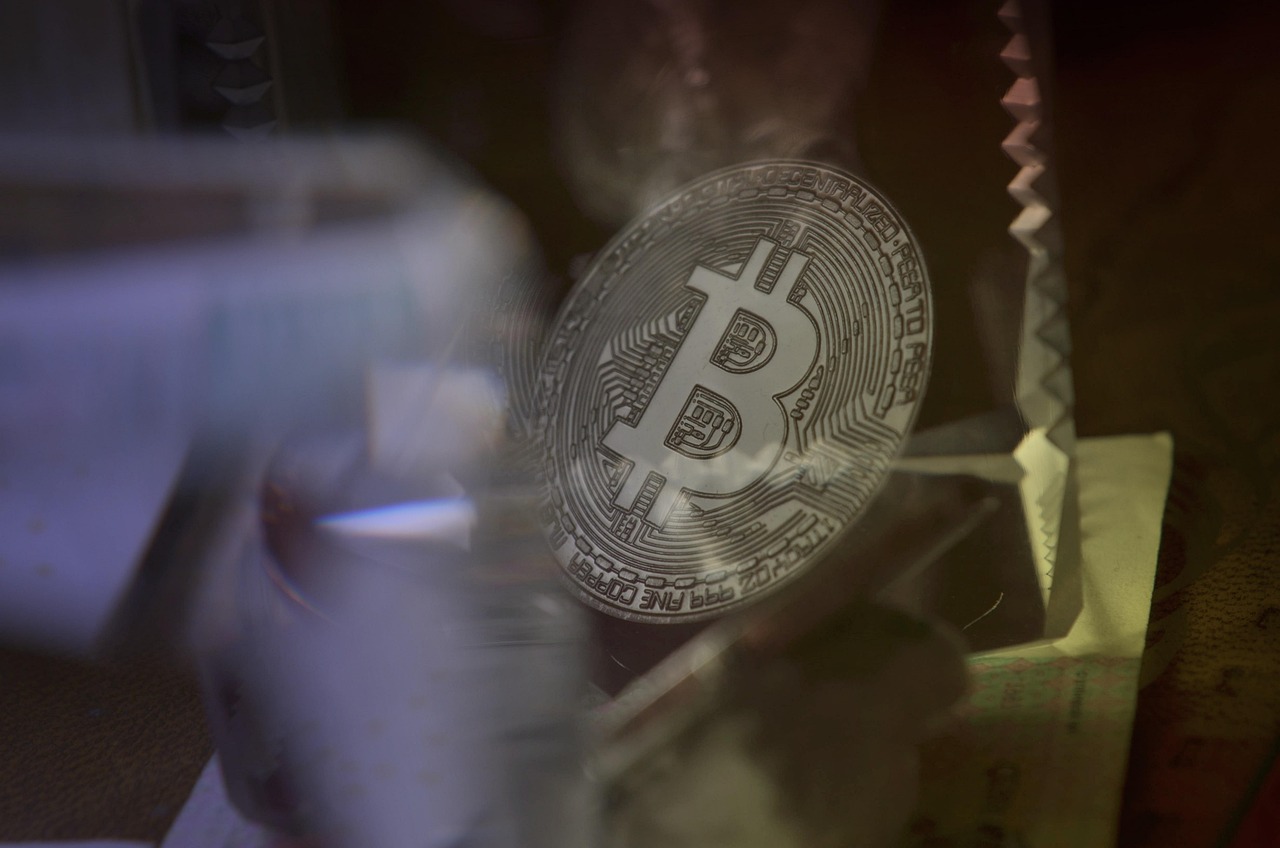
As a non-custodial wallet, Trust Wallet emphasizes security and privacy, ensuring users maintain control over their funds. Regular feedback indicates that users feel empowered by the wallet’s seamless integration with dApps, allowing for more inclusive participation in the decentralized finance ecosystem.
| Feature | Description | User Benefit |
|————————|—————————————————|———————————–|
| Non-custodial | Users control their private keys | Enhanced security and ownership |
| Multi-Currency Support | Accommodates Bitcoin and numerous altcoins | Portfolio diversity |
| Integrated DEX | Swap assets without leaving the app | Convenience and reduced risk |
Exploring the Trust Wallet Community
Trust Wallet boasts a vibrant community, supporting its user base through forums, documentation, and various social media platforms. Engaging with the community can provide valuable insights into best practices and advanced usage techniques.
This collaborative environment serves as a resource for new users to gain knowledge and experience. Furthermore, Trust Wallet’s commitment to transparency and user feedback fosters a continually improving platform, addressing user demands effectively.
Conclusion
Trust Wallet stands out as a reliable Bitcoin wallet within the broader cryptocurrency management ecosystem. Its user-centric design, comprehensive support for various cryptocurrencies, and integration with dApps make it an attractive choice for users across experience levels.
However, understanding its limitations is crucial for informed use. Users seeking heightened analytics or desktop functionality might consider alternative options. Overall, as users explore the world of cryptocurrencies, Trust Wallet provides a solid foundation for managing Bitcoin and other digital assets securely.
Key Takeaways
- Trust Wallet is a mobile cryptocurrency wallet that supports Bitcoin along with a wide range of other digital assets.
- The wallet provides users with full control over their private keys, enhancing security and ownership of their Bitcoin holdings.
- Trust Wallet also offers integration with decentralized applications (dApps), allowing users to utilize Bitcoin and other cryptocurrencies within various blockchain ecosystems.
What is a digital wallet for storing Bitcoin?
A digital wallet for storing Bitcoin is a software application that allows users to securely manage their Bitcoin holdings. It can store public and private keys, enable transactions, and track balances, often using cryptographic methods to enhance security.
How can I use my wallet to receive Bitcoin?
To receive Bitcoin, you need to provide your wallet's public address to the sender. Once the sender initiates the transaction, the Bitcoin will be transferred to your wallet's address, allowing you to view it in your balance after network confirmation.
What are the risks associated with using a digital wallet for Bitcoin?
Risks of using a digital wallet include potential hacks, loss of private keys, and issues with software vulnerabilities. If someone gains access to your private key or if the wallet provider has security flaws, you could lose access to your Bitcoin and funds.