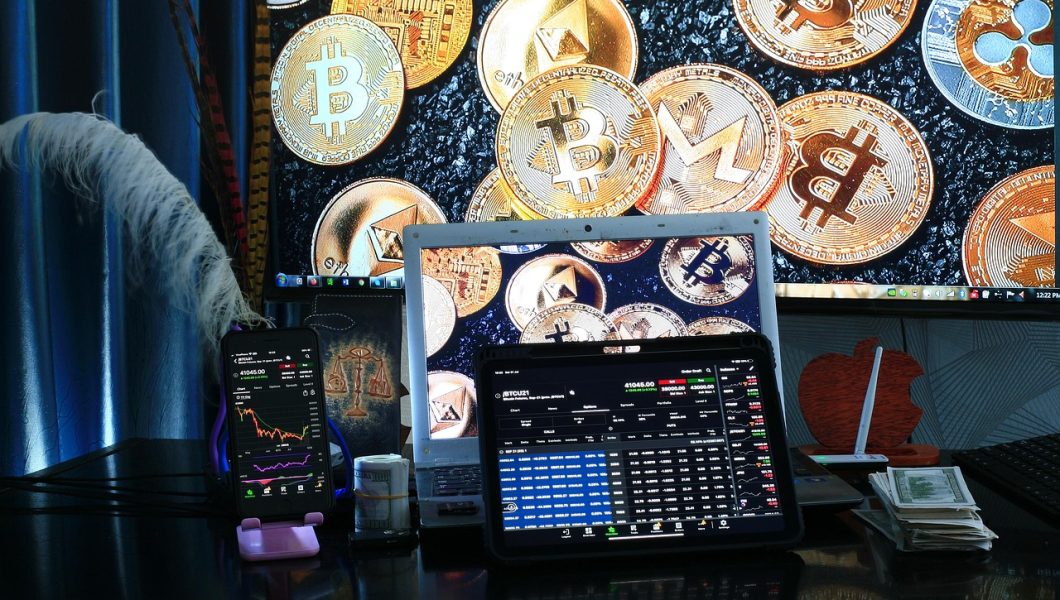
Molly Hill reported on Friday, February 13, 2026 at 09:23 AM that the adoption of crypto payment processors continues to grow, reflecting ongoing trends in digital finance.
A crypto payment processor facilitates transactions by converting traditional currency into cryptocurrency and vice versa, enabling businesses to accept digital currencies from customers. After integrating such a system, it is essential to regularly monitor transactions for discrepancies and address any potential issues promptly, while also adhering to best security practices to protect sensitive data. Continuous engagement with updates in the crypto space can help maintain the effectiveness and reliability of the processor in managing payments.
What to Expect Next
- Maintaining updated security protocols is essential to reinforce trust in the use of a crypto payment processor following any transaction.
- Users should regularly monitor their accounts to ensure transactions are accurate and resolve any discrepancies promptly.
- Avoid sharing private keys or sensitive account information to mitigate risks associated with unauthorized access to accounts.
- Establish a routine for reviewing transaction histories and account settings to ensure consistent alignment with security best practices.
- Be aware of potential fluctuations in the value of cryptocurrencies and maintain a strategy for managing these during your ongoing use of a payment processor.
Managing Ongoing Challenges with Payment Processing
After you have initiated the use of a crypto payment processor, it is essential to be aware of common challenges that may arise as you continue to manage transactions. Users frequently report issues such as transaction delays, integration problems with e-commerce platforms, or unexpected fees. Being informed about these typical scenarios allows for better preparedness and faster resolution should they occur. The latest insights into digital finance.
For ongoing support, consider establishing a routine for accessing reliable customer service or technical assistance resources associated with your crypto payment processor. Many providers have dedicated support teams that can address concerns promptly. Utilizing forums, help centers, or direct contact methods can provide peace of mind, ensuring that you have a clear path to resolve any difficulties that may surface. Common issues that might come up during transactions.
To reinforce the soundness of your initial decision, it is important to maintain certain behaviors. Regularly monitoring transaction activities and ensuring that financial security measures are in place are critical steps. This vigilance can prevent unauthorized access and protect against potential threats that may compromise your payment processing.
Ensuring Long-Term Satisfaction with Your Processor
How to navigate integration complications effectively?
| Maintenance burdens | Post-decision friction | Unsuitable participant types | Risk-adjusted alternatives |
|---|---|---|---|
| Need for regular software updates | Delays in transaction confirmations | Users without tech-savvy knowledge | Utilize traditional payment gateways |
| Compliance with evolving regulations | Difficulty in reconciling crypto with fiat | Individuals from countries with bans | Consider integrating legacy payment options |
| Dependency on wallet security practices | Potential for user error in managing keys | Users hesitant about cryptocurrency | Educate users on stablecoin options |
| Ongoing transaction fee management | Lengthy resolution for transaction disputes | Businesses lacking crypto fundamentals | Partner with a dedicated payment processor |
| Upkeep of security protocols | Uncertainty in exchange rate fluctuations | Merchants focusing on rapid sales | Use escrow services for security |
You can expect to maintain and occasionally update your crypto payment processor settings and security protocols. Routine checks can help ensure optimal performance and compliance with evolving regulatory requirements. This can involve updating software or revisiting security settings to align with best practices for transaction safety. Potential unexpected costs while using these services.
As you navigate the use of a crypto payment processor, look for consistent affirmations regarding the reliability of your choice. For instance, if transactions are processed efficiently and funds are securely transferred, these indicators reassure you that you are making the right move for your financial operations. Strategies for better transaction management.
In light of potential issues, outlining clear recovery paths is prudent. Knowing what steps to take if something goes wrong—such as how to dispute a charge or retrieve lost funds—can significantly reduce anxiety. Most processors provide documentation or guides on how to regain control over your account or rectify transaction errors. Tips for ensuring a smooth operational experience.
| Opportunity cost impact | Breakage conditions | Execution overhead | Situations where this breaks down |
|---|---|---|---|
| Allocation of resources to user support | Insufficient liquidity leading to failed transactions | Onboarding time for new users | Inconsistent internet connectivity |
| Potential loss of customers to competitors | Failed integration with existing infrastructure | Technical knowledge requirements | Geographic restrictions on service availability |
| Time spent managing compliance | Security breaches resulting in fund loss | Setting up multi-signature wallets | Misalignment with customer payment preferences |
| Investment in marketing for user education | Unexpected regulatory changes | Need for continual process adaptation | Complexity of managing diverse cryptocurrency |
| Loss of focus on core business functions | Payment disputes causing trust issues | Learning curve for platform navigation | Rapidly changing market conditions |
- Evaluate the transaction metrics and confirmation status to ensure the payment was successfully processed.
- Review the security protocols integrated with the crypto payment processor to verify ongoing data protection.
- Document the successful completion of the payment along with any reference numbers for future verification.
- Monitor your account for any irregularities or discrepancies that may arise post-transaction.
- Maintain updated software and security measures to prevent vulnerabilities in ongoing transactions.
- Stay informed about common issues reported by other users to anticipate and mitigate potential problems.
- Reassess the payment processor’s fees and exchange rates to confirm their competitiveness and alignment with your needs.
Managing Challenges and Maintenance After Selection
A crypto payment processor is not well-suited for businesses that prioritize chargeback protection, as cryptocurrency transactions are typically irreversible. Additionally, it may not be ideal for enterprises that deal with large volumes of daily transactions requiring instant settlement, due to potential delays in transaction confirmation on certain blockchain networks. Businesses operating in highly regulated environments might also find it challenging to comply with legal requirements, making traditional payment methods more appropriate for their needs.
Stability in your account management is paramount. Establishing a routine that encompasses regular checks and secure practices will significantly mitigate the risks associated with crypto transactions. This routine can also foster confidence in your ongoing use of the payment processor, allowing you to adapt gracefully as needs evolve.
Ultimately, satisfaction with your crypto payment processor hinges on your ability to navigate any arising challenges effectively. Summarizing your experience, identifying what works well, and recognizing areas for improvement can help cement your loyalty to the payment processor you chose. This reflection enriches your understanding and enhances your engagement with the tool.
In summary, while the journey of utilizing a crypto payment processor may present obstacles, being proactive and informed enables a smoother ongoing experience. Emphasizing stable behaviors, leveraging support resources, and setting realistic maintenance expectations ensures that your decision remains valid and beneficial for your financial strategy.
What Happens After You Decide
What exactly is a service that facilitates crypto transactions?
A service that facilitates crypto transactions allows businesses and individuals to accept and make payments using digital currencies. It often involves converting cryptocurrencies into local currencies or directly processing the digital assets, providing necessary infrastructure for secure transactions. However, this introduces tradeoffs that must be evaluated based on cost, complexity, or network conditions.
How can businesses utilize a service for digital currency transactions?
Businesses can utilize this service by integrating it into their existing payment systems, allowing customers to pay with cryptocurrencies at checkout. This integration typically requires setting up API connections and managing wallet addresses to ensure smooth transaction flow.
What are some risks associated with using digital currency transaction services?
One significant risk is the volatility of cryptocurrency values, which can impact the actual amount received when a transaction is completed. Additionally, if transactions are processed without adequate security measures, there is a risk of hacks or unauthorized access to funds. However, this introduces tradeoffs that must be evaluated based on cost, complexity, or network conditions.