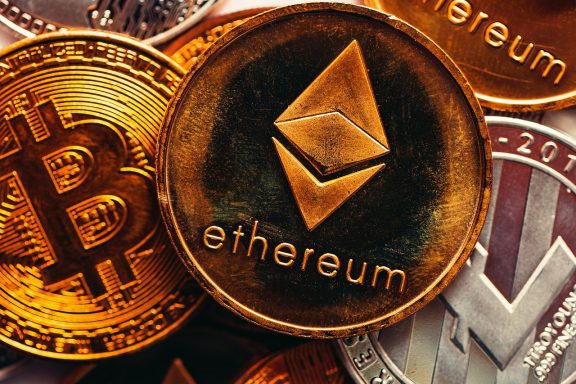
Molly Hill provides an insightful overview of current trends in cryptocurrency as of Monday, February 09, 2026 at 05:52 PM.
Recent movements in the cryptocurrency landscape indicate a strong shift toward greater regulatory engagement and acceptance, with several nations exploring frameworks to govern digital assets more effectively. In addition, decentralized finance platforms continue to gain traction, facilitating innovative financial solutions while attracting attention from traditional investors. Ongoing developments in scalability and interoperability are also crucial, ensuring that existing blockchain networks can support increased transaction volumes and collaborate seamlessly with one another.
What to Expect Next
- Current developments in cryptocurrency are increasingly focused on regulatory frameworks aimed at enhancing market stability and investor protection.
- Adoption of decentralized finance solutions continues to grow, providing new opportunities for yield generation and asset management.
- Institutional investment in cryptocurrencies is rising, reflecting a shift towards greater acceptance in mainstream financial markets.
- Emerging trends highlight the importance of interoperability among blockchain networks to facilitate seamless transactions and user experiences.
- Sustainability concerns are prompting the exploration of eco-friendly consensus mechanisms and energy-efficient technologies within the cryptocurrency landscape.
Effective Strategies for Managing Post-Investment Actions
As interest in digital currencies continues to surge, staying informed about current trends in cryptocurrency is essential for anyone looking to navigate the evolving landscape of investment strategies. After making an investment decision, it is crucial to understand what steps to take next, manage potential challenges, and reinforce positive behaviors to ensure ongoing success. The evolving landscape of investment strategies.
Once an investment has been executed, it is important to set clear expectations regarding the maintenance of your portfolio. Regular monitoring of performance metrics and market conditions should be established as a routine habit. This ongoing management can help you adapt to shifts in market sentiment and technical developments that may impact your holdings. Navigate potential challenges after investing.
Investors may encounter common issues post-investment, such as price volatility and liquidity challenges. Monitoring major exchanges and staying aware of news that influences market dynamics can mitigate these issues. It is also vital to familiarize yourself with the particular characteristics of your investments, as different cryptocurrencies may experience fluctuations due to varying factors.
Safeguarding Investments Through Active Management Strategies
Understanding the next steps after a cryptocurrency purchase.
To avoid mistakes after making an investment, consider the commonly overlooked aspects of the cryptocurrency market. One frequent pitfall is the tendency to react impulsively to market swings. Emotional trading can lead to regrettable decisions that detract from your overall strategy. Essential strategies for ensuring ongoing success.
| Scaling limitations | Cascading impacts | Capital-protection seekers | Non-correlated options |
|---|---|---|---|
| Volatility in cryptocurrency prices may lead to rapid fluctuations in asset value. | Market dips can trigger widespread sell-offs, impacting liquidity. | Cryptocurrencies often exhibit high volatility, unsuitable for risk-averse investors. | Traditional assets may not react similarly to cryptocurrency market changes. |
| Regulatory changes can disrupt transaction processes and access. | New regulations can lead to sudden declines in user trust and participation. | Investors looking for stable, long-term growth may find cryptocurrencies misaligned with their goals. | Diversifying into assets like gold can offer stability independent of crypto trends. |
| Technology scaling issues can limit transaction speed and fees increase as adoption rises. | Overloaded networks may deter new users, causing market contraction. | Investors focused on security may find cryptocurrency exchanges prone to hacks. | Investment in real estate offers less correlation with crypto price movements. |
| Limited use cases for cryptocurrencies in day-to-day transactions can hinder growth. | Stagnation in adoption could slow innovation and increase skepticism. | Investors attracted to low-risk platforms may overlook digital currencies due to inherent risks. | Bonds typically provide predictable returns distinct from crypto volatility. |
Reinforcing stable behaviors is paramount in protecting your initial investment. Emphasizing the importance of a secure storage method for your cryptocurrency, such as utilizing hardware wallets or reputable cold storage solutions, contributes significantly to maintaining the integrity of your assets. Consistently applying best practices for security, such as using two-factor authentication and keeping your private keys confidential, helps preserve trust and reduces the risk of unauthorized access. How interest in digital currencies is driving market changes?
To ensure you feel confident in the decisions made, it can be helpful to summarize the resolution of your investment strategy. Confirm the rationale behind your investment choice, and periodically revisit these reasons to reinforce their validity over time. Such a practice can create a sense of satisfaction and bolstered confidence, especially as you observe the results of your actions in the market. The importance of staying updated in the cryptocurrency market.
- Examine your recent transactions for potential discrepancies or common issues, such as delays or failed transfers, which are often linked to market volatility.
- Review current market sentiments and price trends through reputable financial news sources to ensure your actions align with prevailing conditions.
- Validate the security of your digital wallets and accounts by enabling two-factor authentication and ensuring you have robust passwords in place to protect against unauthorized access.
- Monitor the regulatory landscape for cryptocurrency, as changes can significantly impact the value and legality of your investments.
- Engage with community discussions on forums or social media to gain insights on individual experiences related to recent trends and adjustments made in the market.
- Evaluate your portfolio's performance against recent trends to assess whether your strategies remain aligned with your financial goals and market conditions.
- Stay informed about technological developments or upgrades within the cryptocurrency space that may influence the performance or security of your holdings.
Managing Your Cryptocurrency Investments After Execution
Current trends in cryptocurrency may not be suitable for individuals seeking stable and predictable investment vehicles, as the market is often characterized by high volatility and rapid shifts in value. Users should consider alternatives when they prioritize capital preservation over potential high returns, are uncomfortable with the inherent risks of speculative assets, or require liquidity and stability for immediate financial needs. Moreover, those unfamiliar with the complex technological and regulatory landscapes surrounding cryptocurrencies might find themselves at a disadvantage, amplifying potential losses or missteps.
While navigating the cryptocurrency space, having a plan for recovery can significantly alleviate concerns. It’s wise to inform yourself about what options are available should unexpected issues arise, such as navigating exchange platform outages or addressing lost access credentials. Familiarize yourself with the recovery processes outlined by your chosen exchanges or wallets, and maintain open lines of communication with customer support teams for enhanced reassurance.
| Delayed return exposure | Trust dependency profile | Ongoing management effort | Goal compatibility limits |
|---|---|---|---|
| Initial investments may not yield immediate gains, affecting cash flow for new investors. | Relying on third-party exchanges increases the risk of service failures. | Managing multiple wallets and transactions can be time-consuming and complex. | Short-term traders might find their strategies misaligned with the long-term potential of cryptocurrencies. |
| Fluctuating market conditions can prolong the time until profits are realized. | Increased scrutiny from regulators can diminish overall trust in the cryptocurrency ecosystem. | Staying updated on current trends requires consistent research and monitoring. | Long-term investors may find their expectations unmet during bearish trends. |
| Charging fees by trading platforms can cut into potential earnings, delaying returns. | User reliance on influencers and social media can skew perception of actual trustworthiness. | Transaction tracking and asset allocation require active management. | Investors with low risk tolerance might struggle to align their portfolio with cryptos. |
| Reinvestment of gains may take longer due to market instability, affecting financial planning. | Negative media reports can erode trust, impacting future investments. | Understanding tax implications adds another layer of management complexity. | Those prioritizing liquidity may find cryptocurrency investments unsuitable if markets are illiquid. |
Account stability often hinges on the establishment of sound habits following an investment. Regular portfolio re-evaluations, alongside a review of emerging trends and market forecasts, can keep you grounded in the strategic direction of your investments. Integrating analytics and market news into your routine may provide deeper insights, allowing you to continue growing in your cryptocurrency knowledge and trading prowess.
Continuous engagement with proven support channels helps reinforce long-term stability. Engaging with communities, trusted forums, and educational resources aids in navigating the complexities of cryptocurrency investments. Seek out reputable sources for trend analysis and affected cryptocurrencies, ensuring you remain equipped to respond appropriately to developments that impact your portfolio.
In summary, following an investment in cryptocurrency, maintaining a proactive stance toward ongoing management and security is crucial. Establishing good practices, reinforcing informed decision-making, and preparing for potential challenges can create a resilient investing experience. By adhering to these guidelines, you can optimize your engagement with current trends in cryptocurrency and build a successful investment strategy over time.
What Happens After You Decide
What are the main characteristics of popular cryptocurrencies today?
Today’s popular cryptocurrencies typically feature decentralized networks leveraging blockchain technology for transparency and security. Many prioritize scalability and transaction speed, while others focus on privacy and smart contract functionality. However, the characteristics can vary significantly based on the underlying technology and project goals.
How can individuals effectively trade cryptocurrencies in the current market?
Individuals can trade cryptocurrencies by using a reputable exchange platform that supports a range of digital assets. It’s crucial to stay informed about market trends and price fluctuations through reliable sources. However, it’s important to avoid emotional trading decisions that can lead to significant losses.
What are the risks associated with investing in cryptocurrencies at this time?
Investing in cryptocurrencies carries risks such as high volatility, regulatory uncertainty, and the potential for security breaches. Investors should be cautious, particularly during market downturns, as prices can fluctuate dramatically within short periods. Additionally, reliance on less established projects can lead to significant financial exposure. However, this introduces tradeoffs that must be evaluated based on cost, complexity, or network conditions.