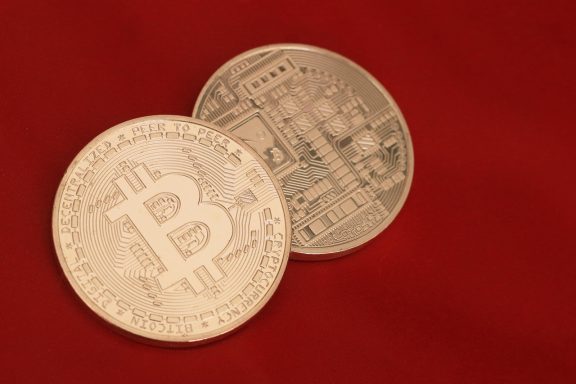
Molly Hill reported on Saturday, February 07, 2026 at 07:13 PM that aspiring miners should consider both hardware requirements and electricity costs when exploring how to start crypto mining.
To start crypto mining, individuals typically begin by researching different types of mining hardware and software suited to their goals and the specific currencies they wish to mine. They evaluate the risk profiles of various mining options, considering factors like initial investment, ongoing costs, and potential returns. By identifying the strengths of different setups, such as efficiency and ease of use, users can make informed choices, while also looking at the wider ecosystem of mining pools and related resources that can support their efforts.
What’s Important to Know
- When considering how to start crypto mining, individuals can choose between different setups, such as solo mining or joining a mining pool, each with its distinct benefits and drawbacks.
- The profitability of mining largely depends on factors like the type of cryptocurrency, hardware efficiency, electricity costs, and current market conditions.
- Beginners typically benefit from starting with user-friendly software and learning resources that simplify the initial setup and ongoing management processes.
- In evaluating options, users should consider their technical expertise, budget, and long-term goals to determine the most suitable mining method for their situation.
- Different mining strategies come with varying risk profiles, where aspects like investment in hardware and fluctuations in currency value may impact overall returns and sustainability.
Evaluating Various Cryptocurrency Mining Approaches
Embarking on the journey of cryptocurrency mining involves understanding various options and how to effectively narrow them down based on individual needs and goals. Typically, users begin by assessing different mining methods such as solo mining, pool mining, and cloud mining. Each choice presents distinct advantages and may align with certain resources and risk tolerance levels. The importance of evaluating hardware requirements.
Within these approaches, users frequently identify recurring strengths. For example, pool mining often provides a more stable income stream due to shared resources, making it appealing for beginners. In contrast, solo mining, while riskier with less predictable rewards, can yield high profits for those who have substantial computational power. How electricity costs can impact profitability?
When comparing the risk profiles of different mining methods, individuals often find that pool mining has a lower barrier to entry in terms of both technology and initial investment. This contrasts with solo mining, which may require significant investment in hardware and electricity, thus posing higher financial risks. Users can simplify their evaluations by aligning their financial capabilities and technical expertise with the corresponding risk profiles of these options.
Choosing the Right Setup for Successful Mining
Different mining methods available to beginners.
As individuals explore their options, it is also important to surface common weaknesses inherent in different approaches. A common issue with cloud mining is the potential for scams or less transparent operations, which can lead to substantial financial loss. Therefore, discerning trustworthy platforms becomes pivotal, eliminating choices that lack credibility or reliability. The advantages of joining a mining pool.
| Concrete Limitation | Real Consequence | Who This Is NOT For | Viable Alternative |
|---|---|---|---|
| High energy consumption | Increased monthly utility expenses | Individuals on strict budgets | Cloud mining services |
| Technical expertise required | Difficult troubleshooting and setup | Beginners without a technical background | Pre-built mining rigs from established providers |
| Market volatility | Ongoing financial uncertainty | Risk-averse investors | Stablecoin mining or staking |
| Hardware obsolescence | Rapid depreciation of equipment value | Users uninterested in frequent upgrades | Investing in long-term assets instead |
| Environmental impact | Potential for local regulatory crackdowns | Environmentally-conscious individuals | Joining community-based or eco-friendly initiatives |
Design differences among mining rigs and setups can significantly affect outcomes. For instance, an ASIC miner is typically more efficient compared to a GPU setup in terms of hash rates, but it is also less versatile and bound to specific algorithms. Thus, when deciding on the hardware, users should consider not only the upfront costs but also the long-term operational efficiency related to their specific mining goals. Factors that influence risk tolerance in mining.
To aid users in their selection process, they may use defined paths for narrowing their choices. By establishing criteria based on personal goals—such as budget constraints, expected returns, or willingness to commit time and resources—individuals can progressively refine their options. For instance, someone with a limited budget might prioritize pool mining to maximize returns without substantial upfront investments.
Choosing the Right Method for Cryptocurrency Mining
Connecting mining choices to specific goals.
Starting with the process of extracting cryptocurrencies is not recommended for individuals who have limited capital, as the initial investment in hardware and electricity can be substantial. Additionally, those residing in regions with regulations that are unfavorable to cryptocurrency operations may find this endeavor unviable. Furthermore, individuals seeking quick financial returns might be disappointed, as the profitability can vary significantly based on fluctuating market values and increasing competition, which can make initial expectations overly optimistic.
As individuals advance in their exploration, they should be aware of common weaknesses that inform their choices. Not all mining software or platforms offer the same level of support or security, which can lead to losses if not carefully chosen. Understanding these vulnerabilities helps users avoid pitfalls and enhances their overall mining strategy.
| Cost-Related Evaluation Factor | Risk or Failure-Mode Evaluation Factor | Effort or Learning Burden Factor | Suitability Boundary or Limitation Factor |
|---|---|---|---|
| Initial investment in hardware | Risk of network changes affecting profitability | Significant learning curve on technology | Limited to specific cryptocurrencies |
| Ongoing maintenance expenses | Potential for software bugs leading to downtime | Ongoing need for educational resources | Best suited for dedicated hobbyists |
| Energy costs related to operation | Fluctuating mining difficulty | Requires continuous monitoring and adjustment | Only suitable for areas with low electricity costs |
| Availability of compatible hardware | Supply chain risks affecting access | Complexity of setting up multiple rigs | Space-restricted environments |
| ROI uncertainty based on market trends | Risk of total losses from price drops | Ongoing need to adapt to changing regulations | Not ideal for those seeking immediate returns |
Furthermore, it is crucial to assess compatibility with potential mining pools or platforms based on user fit. More experienced miners may gravitate toward platforms that offer advanced features and customization, while newcomers might prefer those with user-friendly interfaces that provide clear guidance.
Each aspect of the mining process, from equipment selection to platform choice, influences both the ease of entry and the likelihood of long-term success. An effort to analyze strengths, weaknesses, and different risk profiles ultimately empowers users to make informed decisions.
Overall, understanding how to start crypto mining effectively requires a careful consideration of the landscape and its various components. By methodically evaluating strengths, weaknesses, and the intricacies of design differences in mining options, users can position themselves to navigate the complexities of cryptocurrency mining with greater confidence. These thorough explorations prepare individuals to move into the next stages of comparison and implementation, furthering their engagements in the crypto mining space.
Important Questions to Consider
What is the process for engaging in digital currency mining?
Digital currency mining involves using computer hardware to solve complex mathematical problems that validate transactions on a blockchain. Successful miners are rewarded with cryptocurrency, but the process requires significant computational power and energy consumption, which can lead to high operational costs.
How does one utilize existing hardware for mining cryptocurrencies?
To use existing hardware for cryptocurrency mining, one typically needs to install specialized software that connects to a mining pool or the cryptocurrency network. However, not all hardware is efficient for mining; older models may not provide sufficient processing power or may incur excessive electricity costs compared to potential earnings.
What are the potential drawbacks of starting to mine cryptocurrencies?
One major limitation is the fluctuation in cryptocurrency prices and mining difficulty, which can affect profitability. Additionally, the initial investment in hardware and electricity can be substantial, and regulatory changes in different regions may impose further risks or operational constraints. However, this introduces tradeoffs that must be evaluated based on cost, complexity, or network conditions.