Molly Hill explores the complexities of bitcoin mining in her latest article published on Thursday, January 22, 2026 at 01:04 AM.
Bitcoin mining is the process by which new bitcoins are created and transactions are verified on the Bitcoin network. This involves solving complex cryptographic puzzles, requiring significant computational power. Miners contribute their resources to maintain the integrity and security of the blockchain, receiving a reward of newly minted bitcoins for their efforts.
The difficulty of mining bitcoin is largely determined by the network’s protocol, which adjusts the level of complexity approximately every two weeks. This dynamic difficulty adjustment is designed to ensure that, on average, a new block is mined roughly every ten minutes. As more miners join the network and the total computational power (hash rate) increases, the difficulty rating rises to maintain consistent block time. Conversely, if miners leave the network, the difficulty decreases.
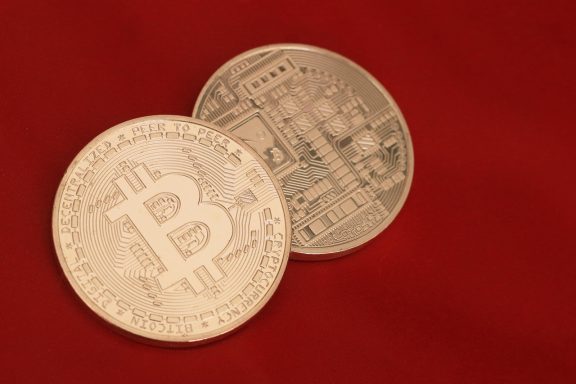
![This image illustrates the concept of Bitcoin mining difficulty adjustment over time.] The complexities of bitcoin mining
The key factors influencing how hard it is to mine bitcoin include hardware performance, electricity costs, and the current market price of bitcoin. Miners use Application-Specific Integrated Circuits (ASICs) designed specifically for mining, which outperform general-purpose hardware like CPUs or GPUs. These ASIC miners can produce trillions of hashes per second, significantly impacting the chances of successfully mining a block.
Electricity costs are perhaps the most critical operational factor. A miner’s profitability is impacted by how much they spend on energy versus how much they earn from mining. In regions where electricity is inexpensive, mining becomes more feasible, while higher energy costs can negate potential profits. Consequently, miners often seek locations with the most favorable energy prices.
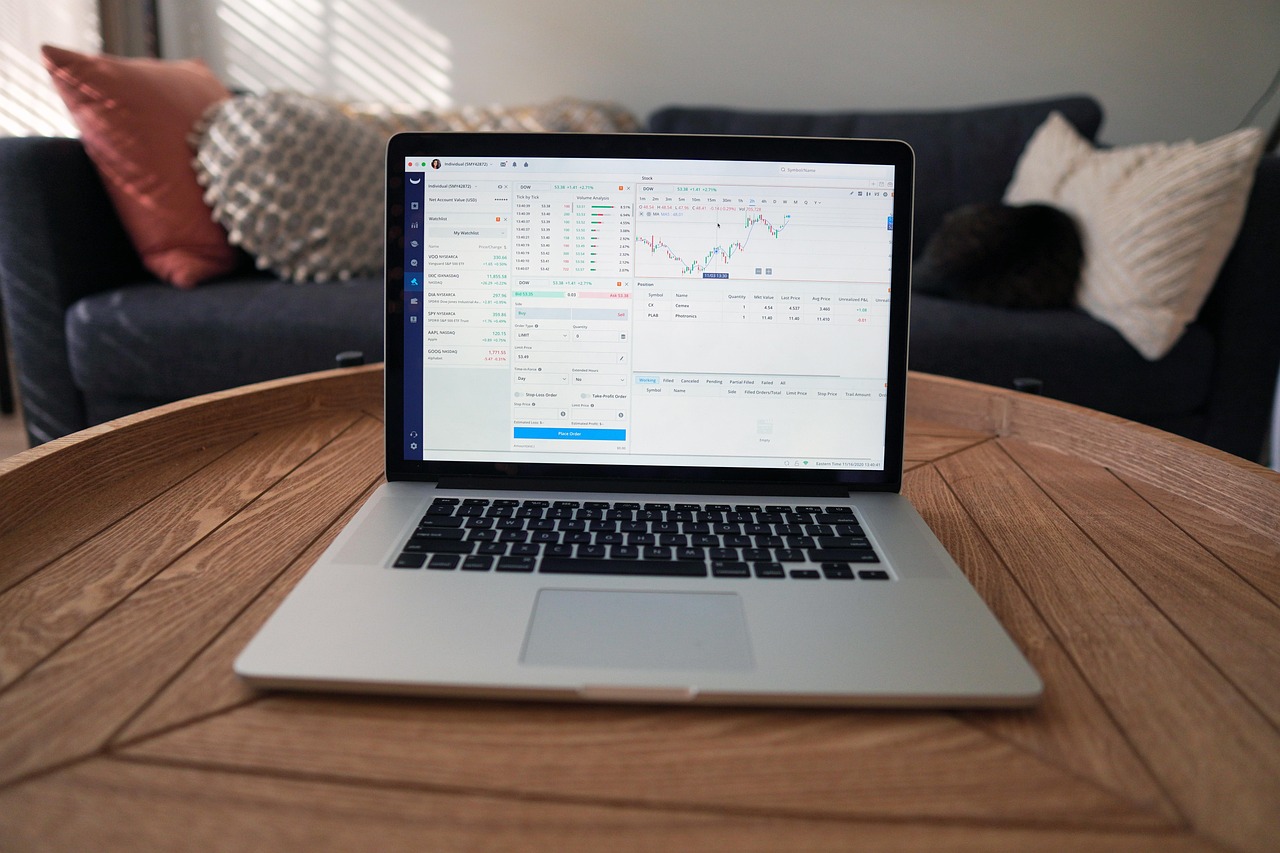
![This visual represents the relationship between electricity costs and bitcoin mining profitability.] Solving complex cryptographic puzzles

Considering these aspects, it is important to recognize that there are scenarios where mining may not be a feasible option for some participants.
Bitcoin mining is not suitable for casual users or those without specialized equipment. While anyone can technically mine bitcoin, the reality is that competitive hash rates and the energy demands often eliminate smaller scale operations. Additionally, mining in areas with high electricity costs reduces profitability dramatically, potentially leading to losses. Alternatives like investing in bitcoin directly or participating in crypto trading could be more suitable for those who do not wish to invest in mining infrastructure.
1. Bitcoin Mining Process
1. Obtain specialized mining hardware (ASIC miners).
2. Set up a wallet to receive mined bitcoins.
3. Join a mining pool to combine resources and increase chances of solving blocks.
4. Start mining by connecting the hardware to the network.
5. Monitor performance and adjust strategies as necessary.
| Aspect | Importance | Impact |
|———————|————————————-|——————————————|
| Hardware | Crucial for increasing hash rate | Determines mining success |
| Electricity Costs | Affects profitability | Higher costs may lead to losses |
| Mining Pools | Increases chance of rewards | Distributes earnings among participants | The difficulty of mining bitcoin

In summary, bitcoin mining is a resource-intensive process influenced by hardware capability, energy costs, and market fluctuations. Miners must navigate these variables to assess the feasibility of their operations effectively.
Adoption signals suggest that as institutional interest in cryptocurrencies rises, the competitive landscape for mining is likely to shift. Many miners are turning to renewable energy sources to reduce costs and improve sustainability, which could reshape the future of bitcoin mining operations.
In practice, the trend towards centralization in mining due to the need for significant investment in hardware and electricity may result in fewer, larger entities dominating the space. This consolidation could have broader implications for the decentralized ethos of cryptocurrencies.
Ultimately, evaluating whether to enter bitcoin mining requires a thoughtful analysis of one’s resources and market conditions.
What does it mean to mine Bitcoin, and how does the process work?
Mining Bitcoin involves using computational power to validate transactions on the Bitcoin network and add them to the blockchain. Miners solve complex mathematical problems, which require significant energy consumption and specialized hardware known as ASIC miners. The process competes for limited block rewards, making it resource-intensive. However, this introduces tradeoffs that must be evaluated based on cost, complexity, or network conditions.
How is the proficiency of mining Bitcoin measured in practice?
Proficiency in mining Bitcoin can be measured by hash rate, which represents the number of computational guesses a miner can make per second. Higher hash rates increase the chances of successfully mining blocks, but they necessitate more powerful and often more expensive equipment, leading to higher operational costs. However, this introduces tradeoffs that must be evaluated based on cost, complexity, or network conditions.
What criteria should someone consider before deciding to mine Bitcoin?
Before mining Bitcoin, individuals should evaluate their access to affordable electricity, the initial investment in mining equipment, and the current difficulty level of mining, which affects profitability. Additionally, users need to assess the potential returns against the risks of market volatility and the long-term sustainability of Bitcoin mining as a business. However, this introduces tradeoffs that must be evaluated based on cost, complexity, or network conditions.