Molly Hill explores methods for identifying the value of coins without incurring costs in her latest article published on Wednesday, January 21, 2026 at 09:39 PM.
Determining the value of coins can be a significant aspect of numismatics, the study of coins and currency. Understanding coin valuation involves several factors, including rarity, demand, condition, and historical significance. This article provides a comprehensive exploration of how to find value for coins without incurring costs, presenting various methods and resources that are easily accessible.
Overview of Coin Valuation
Coin valuation refers to the process of assessing the worth of coins based on various criteria. Key factors influencing a coin’s value include its mint year, mint mark, mintage, and grading. Mintage is the total number of coins produced for a particular year and type, while grading assesses the coin’s physical condition, which greatly impacts its market value. Different grading systems, such as the Sheldon scale, classify coins from one to seventy, with higher numbers indicating better condition.
Free Resources for Coin Valuation
Methods for identifying coin values
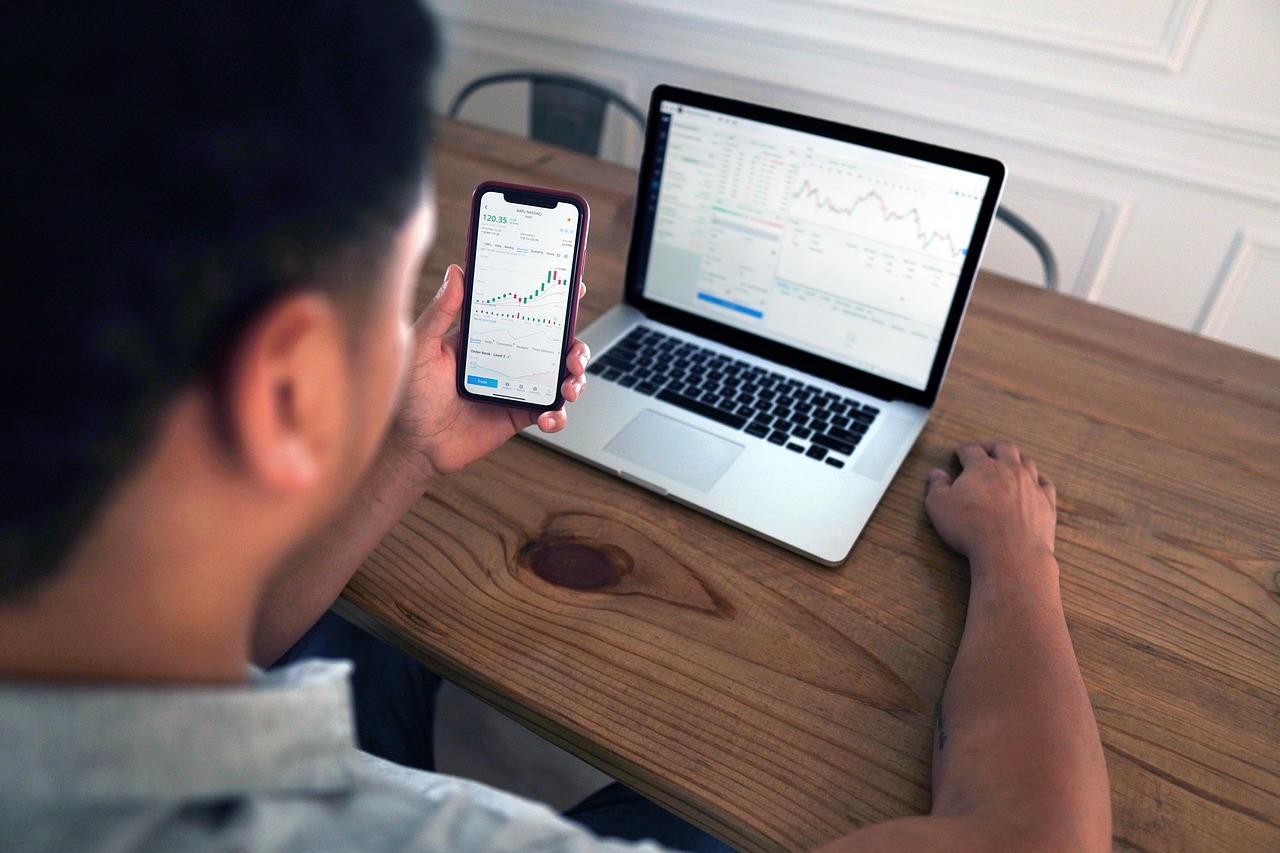
Several free resources are available for assessing the value of coins. Numismatic websites and databases offer valuable information that can assist collectors. One of the most widely used resources is the online price guide offered by the Professional Coin Grading Service (PCGS). This guide provides a comprehensive overview of coin values based on various grades and is updated regularly.
Additionally, coin-collecting forums and social media groups can offer insights and valuations from experienced collectors. Websites such as Reddit and online coin communities allow individuals to post images of their coins for peer evaluations. These platforms also foster discussion on recent sales trends and market fluctuations, which can further inform personal assessments.
Steps to Find the Value of Coins for Free
Factors influencing coin valuation
1. Identify the Coin: Gather key details including the denomination, year, and mint mark.
2. Examine the Condition: Conduct a visual inspection of the coin to assess its physical state.
3. Reference Online Guides: Utilize online resources such as PCGS or Numismatic Guaranty Corporation (NGC) price guides to find comparable values.
4. Engage with Communities: Join online forums and social media groups dedicated to coin collecting, and share images for expert opinions.
5. Consult Public Libraries: Many libraries have numismatic reference books that can supplement online information.
6. Track Auction Results: Monitor online auction results for similar coins to gauge market demand and value.
7. Document Findings: Keep records of your evaluations and any changes in values over time.
The following table summarizes some free resources available for coin valuation: Exploration of accessible resources

| Resource Type | Examples | Key Feature |
|———————|——————————-|————————————–|
| Online Price Guides | PCGS, NGC, CoinWeek | Comprehensive and regularly updated |
| Community Forums | Reddit, CoinTalk | Peer evaluation and shared insights |
| Reference Books | A Guide Book of United States Coins | In-depth analysis and historical context |
In practice, while these tools are invaluable for initial evaluations, they are not foolproof. Experienced numismatists often prefer professional appraisals for high-value coins.
The trade-offs of relying solely on free resources should be considered. First, free valuation tools may not always reflect current market prices, particularly for rarer coins. There can be significant variances between public price guides and actual sales prices, leading to misleading assessments. Second, community evaluations may lack expertise for specialized coins, leading to oversights in nuances affecting value. Lastly, relying on these resources can limit insights on market trends, which are essential for informed decision-making for serious collectors.
Final Thoughts on Coin Valuation
In summary, finding the value of coins for free employs a multitude of resources and strategies. By leveraging online databases, engaging with collecting communities, and utilizing libraries, collectors can establish a fair assessment of a coin’s worth. However, for coins of considerable value, professional grading can provide greater assurance of credibility. Understanding that these resources hold varying degrees of accuracy and reliability is vital for effective and informed valuation in the numismatic world.
Key Takeaways
- Online coin valuation websites offer free tools for assessing the worth of coins based on their type, condition, and market demand.
- Social media groups and forums dedicated to numismatics can provide insights and comparisons to help collectors gauge their coin values.
- Local coin dealers and numismatic clubs often host free appraisal events, allowing individuals to receive expert evaluations of their coins.
How can I use online platforms to determine my coin's value?
Websites like Numismatic Guaranty Corporation (NGC) and Professional Coin Grading Service (PCGS) offer free online resources to help assess the value of coins by providing historical auction prices and grading standards. It's important to remember that these values reflect past sales and might not represent current market demand accurately. However, this introduces tradeoffs that must be evaluated based on cost, complexity, or network conditions.
Are there any drawbacks to relying solely on free online valuation tools for coins?
Free valuation tools can sometimes provide outdated or incomplete information, which may lead to misestimation of a coin's actual worth. Additionally, some platforms may charge for detailed appraisals or listings, which could limit the usefulness of their free resources. However, this introduces tradeoffs that must be evaluated based on cost, complexity, or network conditions.
What factors should I consider when deciding which method to use for valuing my coins?
Consider the coins' rarity, condition, and your purpose for valuation, whether for selling, insuring, or simply tracking personal collection growth. Depending on these factors, free methods may suffice for common coins, but valuable or rare pieces may require a more thorough, professional assessment for accurate valuation. However, this introduces tradeoffs that must be evaluated based on cost, complexity, or network conditions.