
This concise guide summarizes Trading Platform For Ripple — what it is, how it works, and the key implications for traders and developers.
Updated December 2025 — latest Trading Platform For Ripple insights by Molly Hill.
The world of cryptocurrencies has exploded in popularity over the last decade, leading many investors to seek new avenues for investing their funds. Among the myriad of cryptocurrencies, Ripple (XRP) stands out due to its unique position in the financial ecosystem, providing innovative solutions for cross-border payments and remittance. However, investing in Ripple requires the use of a reliable trading platform, and selecting the right one can be a daunting task. This guide aims to provide you with the necessary insights into what features to look for in a trading platform for Ripple and how to navigate your investment effectively.
Understanding Ripple and Its Technology
Before diving into trading platforms, it’s crucial to have a solid understanding of Ripple as a cryptocurrency and its underlying technology. Ripple, a digital payment protocol, aims to facilitate real-time cross-border transactions between financial institutions. Unlike Bitcoin, which is designed primarily as a decentralized currency, Ripple focuses on enhancing the efficiency of the global financial infrastructure.
The Ripple Network
Ripple operates on a decentralized network called the RippleNet, which includes a set of protocols and a digital ledger referred to as the XRP Ledger. This ledger records all transactions and is maintained by a consensus mechanism that allows for quick validation without the need for traditional mining. One of the significant advantages of Ripple is its ability to process transactions in just a few seconds, making it a preferred solution for banks and financial institutions.
Benefits of Investing in Ripple
Investing in Ripple offers several advantages:
1. Efficiency and Speed: Ripple’s transactions are processed in seconds, significantly faster compared to traditional banking systems, which can take days.
2. Low Transaction Fees: The cost of transferring money using Ripple is minimal, making it an economical choice for cross-border transactions.
3. Institutional Adoption: Ripple has partnered with numerous financial institutions, increasing its credibility and user trust in its technologies.
4. Scalability: Ripple is designed to handle a high volume of transactions, allowing it to scale effectively as demand increases.
Understanding these aspects will provide a foundational context as we explore the trading platforms available for Ripple.
Choosing the Right Trading Platform for Ripple
When it comes to investing in Ripple, selecting the appropriate trading platform is essential. The user experience, security features, fees, and supported assets can significantly influence your trading efficiency and profitability. Here are the critical criteria to consider when choosing a trading platform for Ripple.
1. Security Features
With the increasing frequency of cyber attacks, security should be your top priority when selecting a trading platform. Look for platforms that offer:
– Two-Factor Authentication (2FA): This adds an additional layer of security by requiring a secondary verification step, like a code sent to your mobile device.
– Cold Storage Options: A reputable platform will store most of its funds in cold wallets, which are not connected to the internet, reducing the risk of hacks.
– Insurance Policies: Some platforms offer insurance against losses from hacking, giving you peace of mind as you invest.
2. User Interface and Experience
A user-friendly interface is crucial, especially for beginners. Assess platforms based on: Learn more about Trading Platform For Ripple insights
– Ease of Navigation: A clean, intuitive layout that allows users to find features quickly will enhance your trading experience.
– Responsive Design: Look for mobile-friendly platforms or dedicated mobile applications for on-the-go trading.
– Customer Support: Choose a platform with reliable customer support channels, as quick resolutions to issues can save time and frustration.
3. Fees and Charges
Understanding the fee structure of a trading platform can significantly impact your investment returns. Consider the following:
– Trading Fees: Most platforms impose a fee for buying or selling Ripple, typically a percentage of the transaction amount or a fixed fee.
– Deposit and Withdrawal Fees: Some platforms may charge fees for depositing funds or withdrawing your assets, which should be clearly laid out in their fee schedule.
– Hidden Fees: Be wary of additional fees that may not be immediately apparent; make sure to read all terms and conditions.
4. Supported Currencies
While you’re primarily interested in trading Ripple, look for platforms that support a variety of cryptocurrencies and fiat currencies. This will allow you to diversify your portfolio as you become more comfortable with investing.
5. Liquidity
The liquidity of a trading platform refers to how easily you can buy or sell Ripple without significantly affecting its price. Higher liquidity usually means tighter spreads and better price execution. Investigate the trading volume and market depth of the platforms you are considering.
How to Create an Account on Trading Platforms
Creating an account on a trading platform usually involves a few straightforward steps, though specific processes may vary across platforms. Here’s a general overview:
1. Registration
Begin by filling out a registration form with your basic details, including your name, email address, and creating a secure password. Some platforms may ask you to verify your email before proceeding.
2. Identity Verification
To comply with regulations, trading platforms will typically require identity verification (KYC – Know Your Customer). This process can involve uploading a government-issued ID and providing proof of address, such as a utility bill.
3. Fund Your Account
Once your account is verified, you can fund it through various methods, such as bank transfers, credit/debit cards, or cryptocurrency deposits. Each method will have its associated fees and processing times.
4. Start Trading
After funding your account, you can navigate to the trading section of the platform, select Ripple as your asset of choice, and start buying or selling as per your investment strategy.
Types of Trading Strategies for Ripple
Explore the latest Trading Platform For Ripple trends
Allying yourself with a solid trading strategy can greatly enhance your performance in the Ripple market. Here are some popular trading strategies to consider:
1. Day Trading
Day trading involves buying and selling Ripple within the same trading day to capitalize on short-term price movements. This strategy requires careful analysis of market trends and is best suited for traders who can devote substantial time to monitoring the markets.
2. Swing Trading
Swing trading focuses on taking advantage of price swings over several days to weeks. Traders typically rely on technical analysis to predict when to enter and exit their positions, allowing for a more relaxed pace compared to day trading.
3. HODLing
“HODL,” a misspelling of the word ‘hold,’ refers to the strategy of holding onto your Ripple for an extended period, regardless of short-term volatility. This approach is grounded in the belief that Ripple’s long-term prospects will lead to profitable returns.
4. Scalping
Scalping is a high-frequency trading strategy that involves making numerous transactions throughout the day to capture small price changes. Scalpers focus on liquidity and market depth to execute their trades efficiently.
5. Arbitrage
Arbitrage takes advantage of price differences between various exchanges. By buying Ripple from a platform where it’s cheaper and selling it where the price is higher, traders can make a profit, albeit the execution speed is critical to ensure the trade is still profitable.
Analysis Tools and Resources for Successful Trading
To make informed trading decisions, one must utilize various analysis tools and resources effectively. Here are essential tools to enhance your Ripple investment strategy.
1. Charting Tools
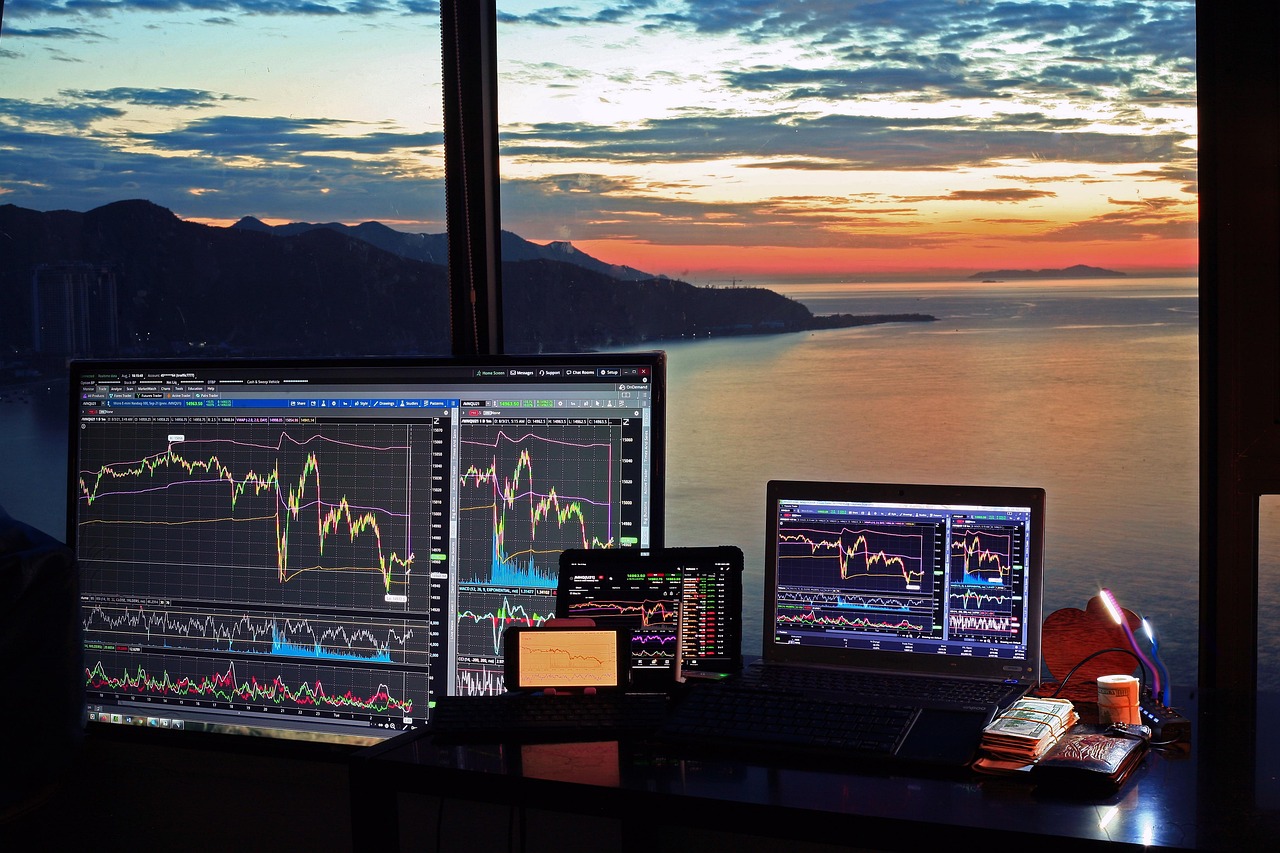
Most trading platforms provide built-in charting tools that allow you to visualize price movements over different time frames. Familiarize yourself with basic chart patterns and indicators such as Moving Averages, RSI (Relative Strength Index), and MACD (Moving Average Convergence Divergence) to assist in your technical analysis.
2. News Aggregators
Stay updated on market sentiment and news that could impact the price of Ripple. Utilizing news aggregators can help you track headlines regarding regulatory changes, partnerships, and technological advancements quickly.
3. Community Forums
Participating in trading forums, subreddits, and other community-driven channels allows you to connect with fellow investors. Sharing opinions, strategies, and experiences can provide valuable insights and help you make informed decisions.
4. Educational Resources
Deep dive into Trading Platform For Ripple research
Take advantage of online courses, webinars, and tutorials focused on trading and investing in cryptocurrencies. Knowledge is a powerful tool, and understanding market mechanics can greatly enhance your trading effectiveness.
Risks Associated with Trading Ripple
While investing in Ripple can be lucrative, it’s essential to be aware of potential risks. Here are some crucial risks to consider:
1. Market Volatility
The cryptocurrency market is known for its extreme volatility. The price of Ripple can fluctuate significantly within days or even hours, which can lead to substantial gains or losses. Always be prepared for potential price swings.
2. Regulatory Risks
Cryptocurrencies face varying degrees of regulatory scrutiny across different jurisdictions. New regulations or legal challenges could impact Ripple’s use case or trading volume, affecting its price.
3. Security Risks
Even with robust platform security measures, the risk of hacking and phishing attacks remains. Ensure that you take personal security measures by using strong passwords, enabling 2FA, and never sharing sensitive information.
4. Lack of Fundamental Data
Unlike traditional stocks, cryptocurrencies such as Ripple may lack comprehensive fundamental data to evaluate their performance. This lack of information can make it challenging to predict price movements accurately.
Conclusion
Investing in Ripple through a trading platform offers an excellent opportunity to participate in a growing and evolving financial ecosystem. By understanding the features to look for in a trading platform, considering different investment strategies, and utilizing effective analysis tools, you can enhance your trading experience.
Remember to stay aware of potential risks, and continually educate yourself about the market trends and developments surrounding Ripple and the broader cryptocurrency landscape. With a strategic approach and informed decision-making, your Ripple investment journey can be both rewarding and fulfilling.
Supported by
This overview is based on research conducted into the various aspects of trading platforms for cryptocurrencies, including security, user experiences, and investment strategies.
🔍 Top Takeaways
- Trading Platform For Ripple continues to shape global blockchain innovation.
- Institutional interest is influencing how Trading Platform For Ripple is evaluated.
- Volatility remains a key consideration for anyone tracking Trading Platform For Ripple.
What future developments may influence Trading Platform For Ripple?
Future developments around Trading Platform For Ripple may include automation, AI-driven insights and clearer regulatory guidelines.
What is Trading Platform For Ripple and how does it work?
Trading Platform For Ripple refers to a process or concept used to simplify crypto decisions, helping users understand market signals efficiently.
Why is Trading Platform For Ripple important in crypto?
Trading Platform For Ripple matters because it improves clarity, reduces uncertainty and supports better timing for trades and analysis.