An introductory look at Crypto Trading Technical Analysis, designed to help readers understand its structure and real-world usage.
Crypto Trading Technical Analysis content updated December 2025 — insights from Molly Hill.
Introduction to Crypto Trading Technical Analysis
Crypto trading technical analysis is a method used by traders to evaluate and forecast the price movements of cryptocurrencies. This technique is based on the study of historical price data and trading volume. It applies various statistical tools and indicators that help traders make informed decisions. In essence, technical analysis means interpreting market dynamics and behaviors to predict future price trends.
What Is Technical Analysis?
Technical analysis is defined as a framework for analyzing financial markets through historical price movements. It refers to the mechanics of price movements as influenced by market participants’ psychology and sentiment. By understanding these patterns, traders gain insights into potential future price points, making it a pivotal component of crypto trading.
Technical analysis is centered around the idea that historical price behavior tends to repeat itself. As such, traders utilize this historical data to identify trends and patterns that indicate potential price shifts. Tools such as chart patterns, trends, and technical indicators are essential for conducting this analysis efficiently.
Importance of Technical Analysis in Crypto Trading
The world of cryptocurrency is characterized by high volatility and unpredictable market behaviors. This volatility makes technical analysis invaluable; it allows traders to analyze price movements in a systematic manner, aiding them in making more informed trading decisions. Technical analysis means not merely relying on guesswork but instead employing specialized tools to understand market conditions better.
Moreover, technical analysis plays a critical role in time-sensitive situations. In the fast-paced world of crypto trading, where prices can shift dramatically in short periods, being equipped with the skills for technical analysis is imperative. This approach provides traders with the ability to react quickly to market changes, enhancing their potential for profit.
Key Principles of Technical Analysis
Several core principles underpin the practice of technical analysis in crypto trading. Understanding these principles is fundamental to successfully applying this analysis technique. Learn more about Crypto Trading Technical Analysis insights

1. Market Discounts Everything: Technical analysis is based on the assumption that all available information, whether it’s fundamental or sentiment-based, is already reflected in the prices. Consequently, prices are seen as a representation of all market participants’ expectations.
2. Price Movements Are Not Random: Historical price charts exhibit patterns and trends that can be identified and used to predict future movements. This principle suggests that past price behavior can inform future actions.
3. Trends Persist: The identification of a trend is a core element in technical analysis. Trends are defined as the general direction of a market, which can be upward, downward, or sideways. Technical analysis emphasizes the idea that once a trend is established, it is likely to continue in that direction until a reversal occurs.
Tools and Indicators Used in Technical Analysis
Traders employ various tools and indicators in their technical analysis to derive insights from price data. Some essential tools include:
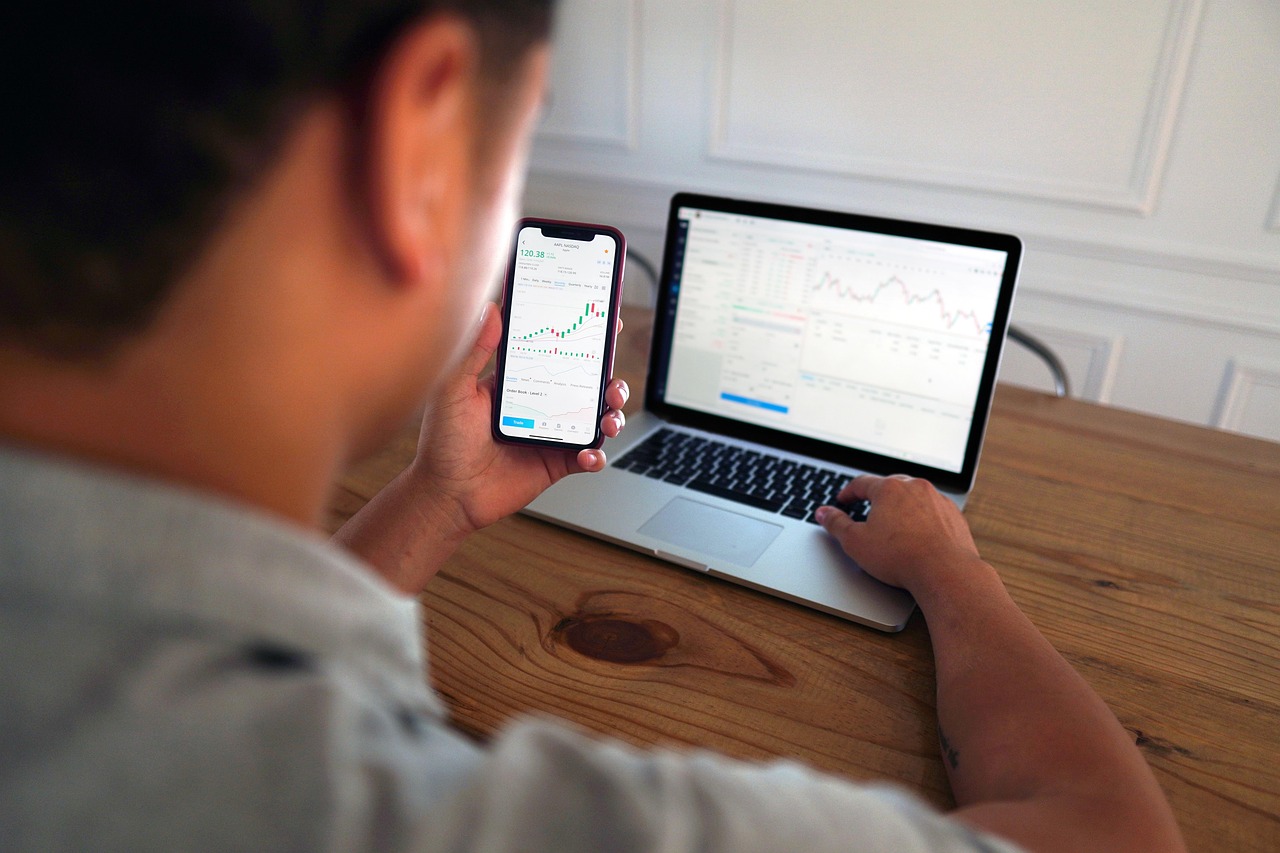
1. Charts: Different chart types, including line charts, bar charts, and candlestick charts, are utilized to visualize price movements over time. Candlestick charts, in particular, provide rich visual information about price movements within a time frame, including open, close, high, and low prices.
2. Support and Resistance Levels: Support refers to the price level at which a cryptocurrency tends to stop falling and may bounce back upwards, while resistance signifies a price level at which an increase may halt and reverse downward. Identifying these levels is crucial for predicting potential price movement. Explore the latest Crypto Trading Technical Analysis trends

3. Moving Averages: This indicator smooths out price data by creating a constantly updated average price. Different types of moving averages, such as simple moving averages (SMA) and exponential moving averages (EMA), are used to analyze price trends over specific periods.
4. Volume Analysis: This refers to the number of assets traded within a particular timeframe. Understanding volume can provide insights into the strength of a price movement, with rising prices accompanied by high trading volume indicating strong momentum.
5. Relative Strength Index (RSI): The RSI is a momentum oscillator that measures the speed and change of price movements. Generally interpreted within a range of 0 to 100, an RSI reading above 70 typically indicates an overbought condition, while below 30 indicates an oversold condition.
Chart Patterns in Technical Analysis
Chart patterns represent recurring price formation and provide insight into possible future price movements. Some common chart patterns are:
1. Head and Shoulders: This pattern signifies a reversal in trend. The formation comprises three peaks—the two shoulders and the central head—where the price rises and then falls. A confirmed breakout below the “neckline” indicates a shift in momentum.
2. Triangles: Triangle patterns, including ascending, descending, and symmetrical triangles, suggest a contraction in price movements, leading to a breakout. The direction of the breakout can often be determined by the prior trend, making these patterns significant. Deep dive into Crypto Trading Technical Analysis research
3. Double Tops and Bottoms: These patterns showcase reversal signals. A double top occurs after an uptrend, representing a market that has peaked, while a double bottom appears after a downtrend, signaling a potential bullish reversal.
Combining Technical Analysis with Other Trading Strategies
While technical analysis is effective on its own, many traders combine it with other trading strategies to enhance their decision-making process. For instance, some may incorporate fundamental analysis, which examines the underlying factors driving the market, alongside technical analysis to get a holistic view of the market landscape.
Moreover, sentiment analysis can also play a role in the decision-making process. Recognizing and interpreting the market’s emotional tide can provide depth to the insights gained through technical analysis. By understanding market sentiment, traders can identify opportunities where traditional technical indicators might fall short.
The Learning Curve of Technical Analysis
Mastering technical analysis requires time, practice, and a willingness to learn. New traders often start by familiarizing themselves with basic charts, indicators, and terminology. As they advance, they begin experimenting with complex strategies, developing their skills through real-time analysis and simulated trading.
Education plays a fundamental role in this process. Numerous resources are available, ranging from online courses to dedicated books and forums. Engaging with the community and other traders can also provide valuable insights and practical knowledge.
Research conducted on trading behavior suggests that traders who adopt a disciplined approach to technical analysis tend to achieve better outcomes. This emphasizes the importance of maintaining a structured trading plan that incorporates technical analysis.
Conclusion
Crypto trading technical analysis is an essential tool for traders seeking to navigate the complexities of cryptocurrency markets. By implementing technical analysis, traders gain the ability to interpret market trends, identify potential price reversals, and make data-driven decisions. The practice represents an intricate blend of historical data examination and market psychology.
While mastering technical analysis requires dedication and education, the insights gleaned can be invaluable in the fast-paced world of crypto trading. As traders continue to refine their analytical skills, they enhance their potential to anticipate market movements and succeed amidst the inherent volatility of the cryptocurrency landscape.
🔍 Top Takeaways
- Integration with existing financial systems is shaping the evolution of Crypto Trading Technical Analysis.
- Crypto Trading Technical Analysis continues to shape global blockchain innovation.
- Regulatory clarity may accelerate innovation tied to Crypto Trading Technical Analysis.
Can Crypto Trading Technical Analysis improve trading performance?
Crypto Trading Technical Analysis can improve performance by offering structure, reducing noise and supporting more consistent decision-making.
What future developments may influence Crypto Trading Technical Analysis?
Future developments around Crypto Trading Technical Analysis may include automation, AI-driven insights and clearer regulatory guidelines.
How reliable is Crypto Trading Technical Analysis during high market volatility?
Crypto Trading Technical Analysis may become less reliable during extreme volatility, making confirmation from additional indicators important.