An introductory look at Ny Crypto Exchange With Margin Trading, designed to help readers understand its structure and real-world usage.
Latest update December 2025 — Ny Crypto Exchange With Margin Trading breakdown by Editor.
In the ever-evolving landscape of cryptocurrencies, new trading platforms are emerging almost daily. These exchanges offer more than just a space to buy and sell digital assets; they often include advanced features like margin trading. This article serves as a comprehensive guide to understanding and navigating new cryptocurrency exchanges with margin trading features. Whether you’re a novice looking to dive into crypto trading or a seasoned trader seeking to explore new venues, this guide aims to provide valuable insights.
What is Margin Trading?
Margin trading is a highly leveraged approach to trading which allows traders to borrow funds to increase their potential investment capacity. This practice introduces the opportunity for higher profits but also increases the risk of substantial losses. When you trade on margin, you are essentially borrowing money from the exchange to increase the size of your trades.
How Does Margin Trading Work?
In a traditional trading setup, you buy a stock or cryptocurrency outright with your own funds. However, when margin trading:
1. Leverage: You deposit a certain amount of money as collateral, known as the “margin.” The exchange allows you to leverage this margin.
2. Borrowing: Let’s say your exchange allows a leverage ratio of 5:1. This means that for every $1 you invest, you can control $5 worth of assets.
3. Opening a Position: To open a margin trade, you select a cryptocurrency pair (e.g., Bitcoin to Ethereum) and decide your desired position size leveraging your margin.
4. Potential Losses and Gains: Gains are magnified, but so are losses. If the price moves against you significantly, you can be subject to a margin call, where you must deposit additional funds or risk having your position liquidated.
The Appeal of New Crypto Exchanges
As the crypto market matures, new exchanges are continuously entering the fray, and many are focusing on providing compelling features to attract traders. Here are some reasons that might lead traders to explore new options:
Innovative Features
Many newer exchanges integrate innovative features and user-friendly interfaces. They often aim to appeal to both novice and experienced traders and may introduce unique tools and functionalities that older exchanges do not offer.
Competitive Fees
The burgeoning number of exchanges creates competition. New platforms typically offer competitive fees to lure users away from established marketplaces, making them appealing for traders looking to maximize profits.
Enhanced Security Measures
With ongoing incidents of hacks and security breaches in the crypto industry, new exchanges often promote state-of-the-art security measures. This focus on security can be a significant draw for traders who value protecting their investments.
Customer Support
New exchanges typically prioritize customer service to build trust and support their growing user base. Traders can benefit from personalized support and assistance in navigating the platform, especially in something as complex as margin trading.
Evaluating New Crypto Exchanges for Margin Trading
Before you dive into margin trading on a new exchange, it’s paramount to conduct thorough due diligence. Here are critical factors to evaluate:
Reputation and Track Record
Learn more about Ny Crypto Exchange With Margin Trading insights
Each exchange will have its own reputation within the crypto community. Searching for user reviews, monitoring social media feedback, and examining community forums can provide insights into any potential issues. Look for exchanges with a positive history of security and operational stability.
Regulation and Compliance
Since the regulatory environment for cryptocurrencies varies significantly across regions, it is essential to ensure that the exchange operates within the legal frameworks applicable to its jurisdiction. Some exchanges may even be fully licensed and regulated, adding a layer of credibility.
Margin Policies
Different exchanges have varied policies regarding margin trading:
– Leverage Ratios: Check what leverage ratios the exchange offers, as these can significantly affect your trading strategy and risk management.
– Margin Call Mechanics: Understand how margin calls work on the platform, including the threshold triggers that may force you to add collateral or liquidate your positions.
– Interest Rates: Investigate the fees associated with borrowing funds on margin. Some exchanges may have higher rates that can eat into your profits over time.
Available Trading Pairs
If you’re keen on margin trading specific coins, ensure that the exchange supports those trading pairs. Many new exchanges may focus on popular cryptocurrencies, while others might offer a wider range of altcoins.
User Interface and Experience
A user-friendly interface is crucial for effective trading. Traders with less experience might find complex platforms overwhelming. Make sure the exchange’s platform is intuitive and that they offer resources for new users.
Liquidity
Liquidity is paramount for margin trading, as low liquidity can lead to slippage when executing trades. Look for exchanges with sufficient trading volume to accommodate your trading strategy.
Security Measures
Review the security protocols the exchange employs. Common practices include:
– Two-Factor Authentication (2FA): Ensures an extra layer of security by requiring not only a password but also a second form of identity verification.
– Cold Storage: Assets held in cold storage are not connected to the internet, providing additional protection from hacks. Explore the latest Ny Crypto Exchange With Margin Trading trends
– Regular Audits: Check if the platform conducts regular security audits and assessments to maintain integrity and safety.
Risk Management in Margin Trading
While margin trading offers exciting potential for profit, it necessitates stringent risk management practices. Here’s a framework for managing risk effectively:
Position Sizing
Determining the appropriate position size is crucial in minimizing risks. Make sure to only allocate a fraction of your margin (say, 1-5%) to any single trade to avoid significant losses.
Stop-Loss and Take-Profit Orders
Using stop-loss and take-profit orders can help manage risk and enhance profitability. A stop-loss order will automatically close your position when the asset’s price falls to a certain level, while a take-profit order will do the same when the asset’s price reaches a desired level.
Monitoring Leverage
Keep a close eye on the leverage ratio you’re using. High leverage can amplify losses as quickly as it can amplify gains, so consider using lower leverage ratios until you gain more experience.
Continuous Learning
Since the crypto landscape is continuously changing, ongoing education is vital. Read market analyses, follow industry updates, and consider strategic insights from experienced traders.
Building a Margin Trading Strategy
A well-defined trading strategy is crucial for maintaining discipline and controlling emotions in the margin trading arena. Here are elements to consider while building your strategy:
Market Analysis
Utilizing both technical and fundamental analysis can significantly inform your trading decisions.
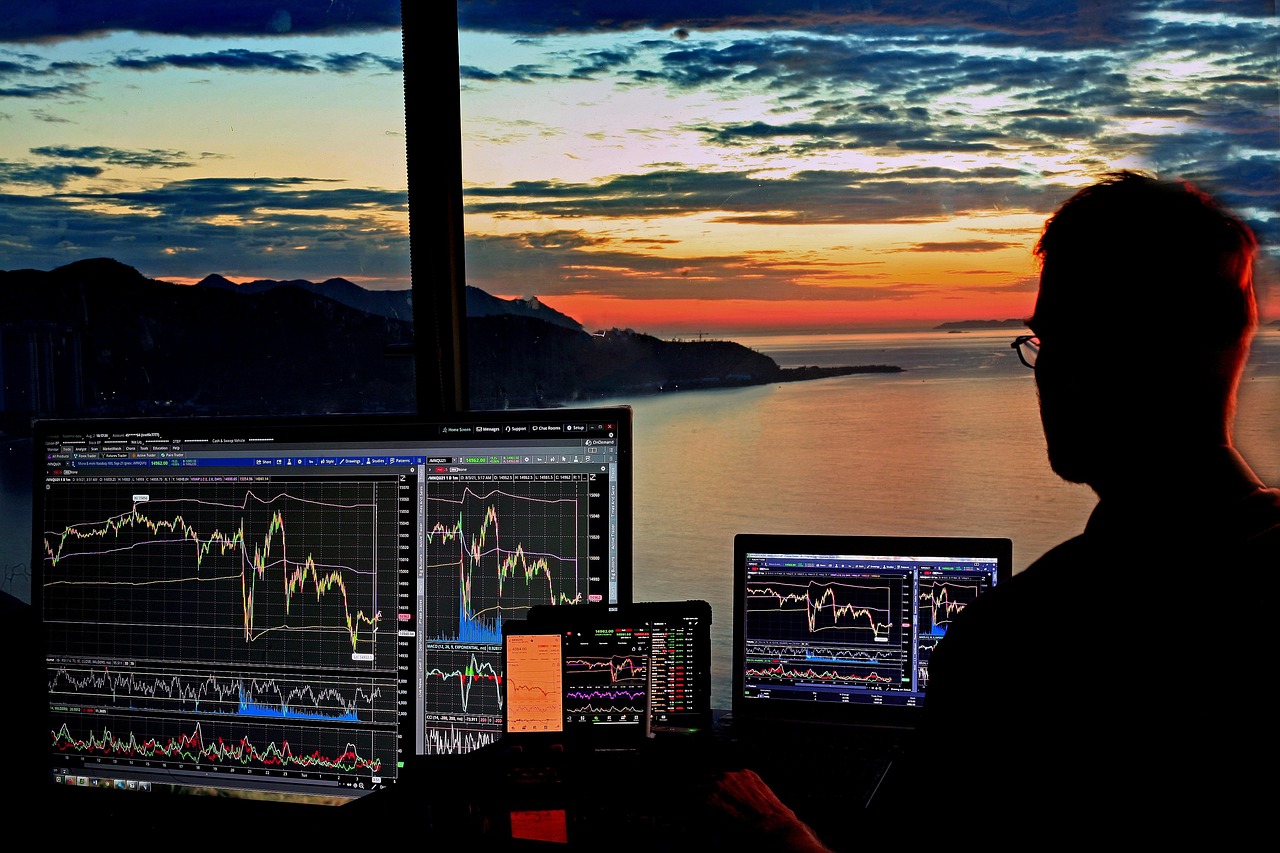
– Technical Analysis: Involves analyzing price charts and indicators to identify trends and patterns. Learn to use various tools like Moving Averages, Relative Strength Index (RSI), and Fibonacci Retracements.
– Fundamental Analysis: Consists of evaluating the underlying factors impacting the asset’s value. Keep an eye on news, events, and economic indicators relevant to the cryptocurrencies you trade.
Diversification
Deep dive into Ny Crypto Exchange With Margin Trading research
To minimize risk exposure, consider diversifying your positions across different cryptocurrencies and asset classes. This approach can hedge against adverse movements in any single asset.
Setting Realistic Goals
Establish clear and attainable trading goals for profits and losses. This practice will help you remain disciplined and focused when trading, reducing the chances of making impulsive decisions.
Lifetime Performance Evaluation
Periodically review the performance of your trading strategies, analyzing past trades to discern what worked and what didn’t. This reflection can lead to insights that improve future trading decisions.
Advantages of Margin Trading within New Exchanges
– Increased Profit Potential: The ability to control larger trades can significantly enhance profit opportunities.
– Flexibility: Margin trading allows for the shorting of assets, giving traders the ability to profit from declining markets.
– Market Efficiency: Leveraged trading can contribute to greater market efficiency, as prices can adjust more quickly to new information.
Challenges and Risks
Despite its advantages, margin trading also carries inherent challenges:
– Volatility: The crypto market is known for its extreme volatility, which can lead to rapid losses if not managed properly.
– Psychological Stress: The thrill of trading can often lead to emotional, impulsive decisions. Developing self-discipline and staying calm under pressure are crucial.
– Complexity: Margin trading can be inherently complex. New traders might struggle to understand the mechanics fully and may make uninformed decisions.
Final Thoughts
Getting involved in margin trading through a new cryptocurrency exchange can be both thrilling and daunting. By conducting thorough research, adopting disciplined risk management techniques, and continually seeking knowledge, you can navigate this exciting space effectively.
In a world where the crypto market continues to evolve rapidly, emerging exchanges offer unique opportunities and challenges alike. As you delve into margin trading, remember that every gain comes hand in hand with risk—an awareness that can guide you on your journey into the vibrant cryptocurrency landscape.
Supported by: The ideas presented in this article derive from extensive research within the crypto community, analytical resources, and discussions found in industry-leading literature and market analyses through 2023.
🔍 Top Takeaways
- Market participants are prioritizing transparency when engaging with Ny Crypto Exchange With Margin Trading.
- Education and tooling are reducing barriers to entry for Ny Crypto Exchange With Margin Trading.
- Use cases for Ny Crypto Exchange With Margin Trading are expanding beyond early speculation.
What are the risks and benefits of Ny Crypto Exchange With Margin Trading?
The main benefits of Ny Crypto Exchange With Margin Trading include clarity and speed, while risks involve volatility and incomplete market information.
How does Ny Crypto Exchange With Margin Trading affect market trends?
Ny Crypto Exchange With Margin Trading influences market trends by shaping sentiment, highlighting activity patterns and revealing emerging opportunities.
Is Ny Crypto Exchange With Margin Trading useful for long-term investors?
Ny Crypto Exchange With Margin Trading can support long-term investors by improving risk evaluation and offering structured insights into market behavior.